Guide · Planting
Planting a yard the deer mostly leave alone
No plant is deer-proof. Some are a lot less tempting than others, and how you lay out the beds matters too.
Deer are part of planting here
Black-tailed deer move through Sequim and Port Angeles neighborhoods year round, and they're comfortable in town. Anyone who has planted tulips or hostas here has a story. WSU Clallam County Extension runs whole classes on gardening with deer, which tells you how common the problem is.
The goal isn't a yard with nothing deer would eat. It's a yard where most of what you plant is low on their list, the few tempting plants are protected or placed where deer don't go, and new plants get a chance to grow past the stage where a single visit can wipe them out.
What deer tend to skip
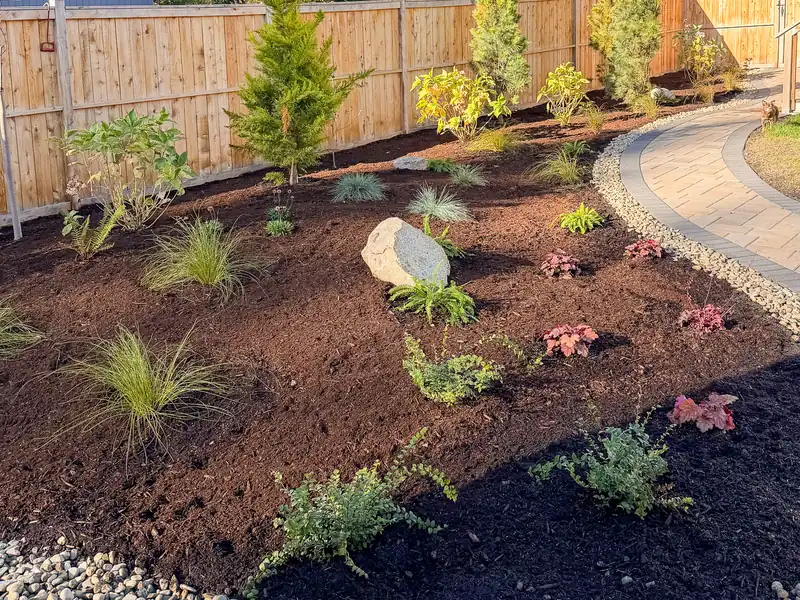
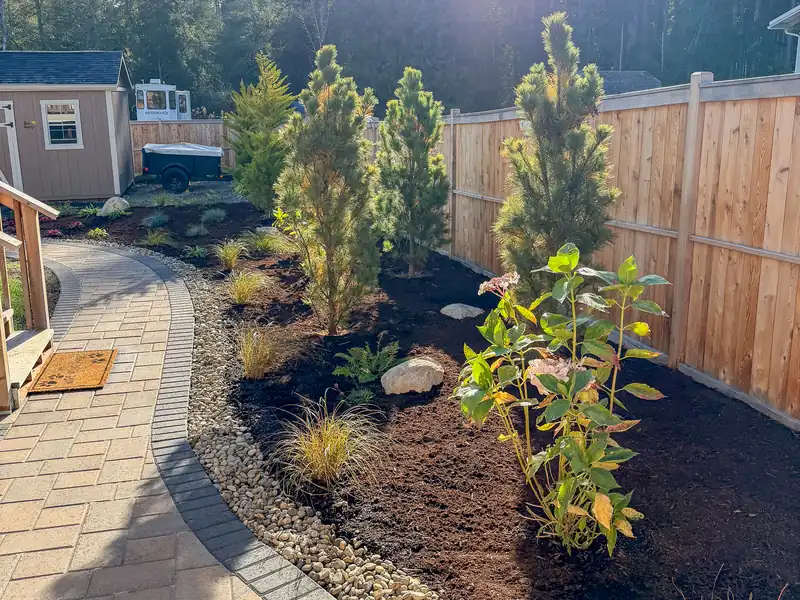
Deer avoid a lot of plants with strong scent, fuzzy or leathery leaves, or sharp edges. Plants that are commonly listed as deer resistant in western Washington include:
- Lavender, rosemary and other strongly scented herbs
- Ornamental grasses
- Russian sage and many salvias
- Oregon grape and other prickly-leaved shrubs
- Kinnikinnick as a groundcover
- Daffodils and other bulbs deer find unpalatable
- Many conifers once they're past the young, tender stage
These lists are a starting point, not a promise. A hungry deer in a dry August will try almost anything once, and herds in one neighborhood can develop tastes the next street over doesn't have.
What deer go for first
- Tulips, hostas and daylilies
- Roses and many fruit trees
- Arborvitae, which they browse heavily in some areas
- Almost any plant fresh from the nursery, with soft new growth
If you love something on this list, plant it close to the house, inside a fenced area or in a container on the patio.
Layout helps as much as plant choice
Deer prefer to browse where they feel safe and can see an exit. Beds right against the house, next to a patio you use often, or inside a fenced yard get less pressure than beds at the far edge of an open lot. On larger properties we put the deer-resistant, tough plants at the edges and save the softer choices for spots near the house.
Protecting new plants
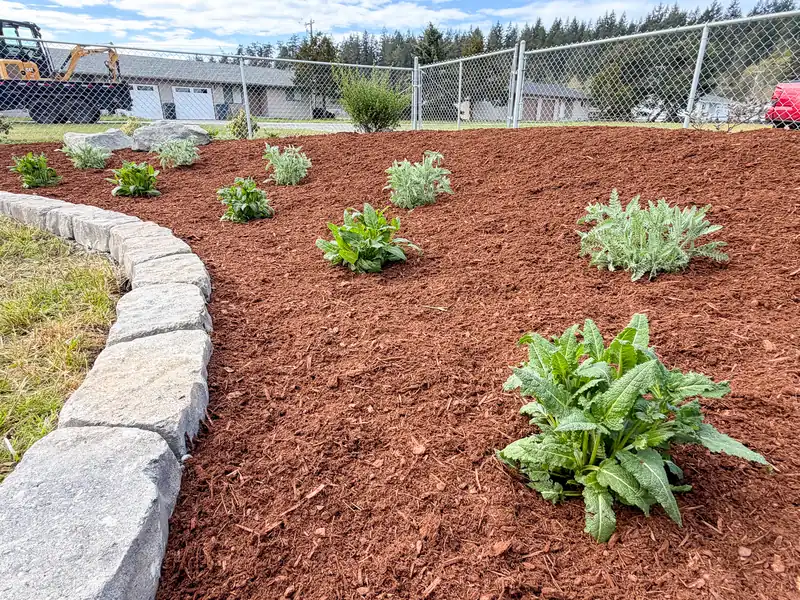
Young plants are the most vulnerable. For the first season or two, a few simple steps help: temporary cages around new shrubs and trees, repellent sprays reapplied after rain, and planting larger specimens where browsing pressure is heavy.
Deer questions
Is any plant truly deer-proof?
No. Some are rarely touched, but young growth on almost anything can get nibbled.
Does a fence solve it?
A tall enough fence does. Many neighborhoods limit fence height or style, so check your HOA rules first.