

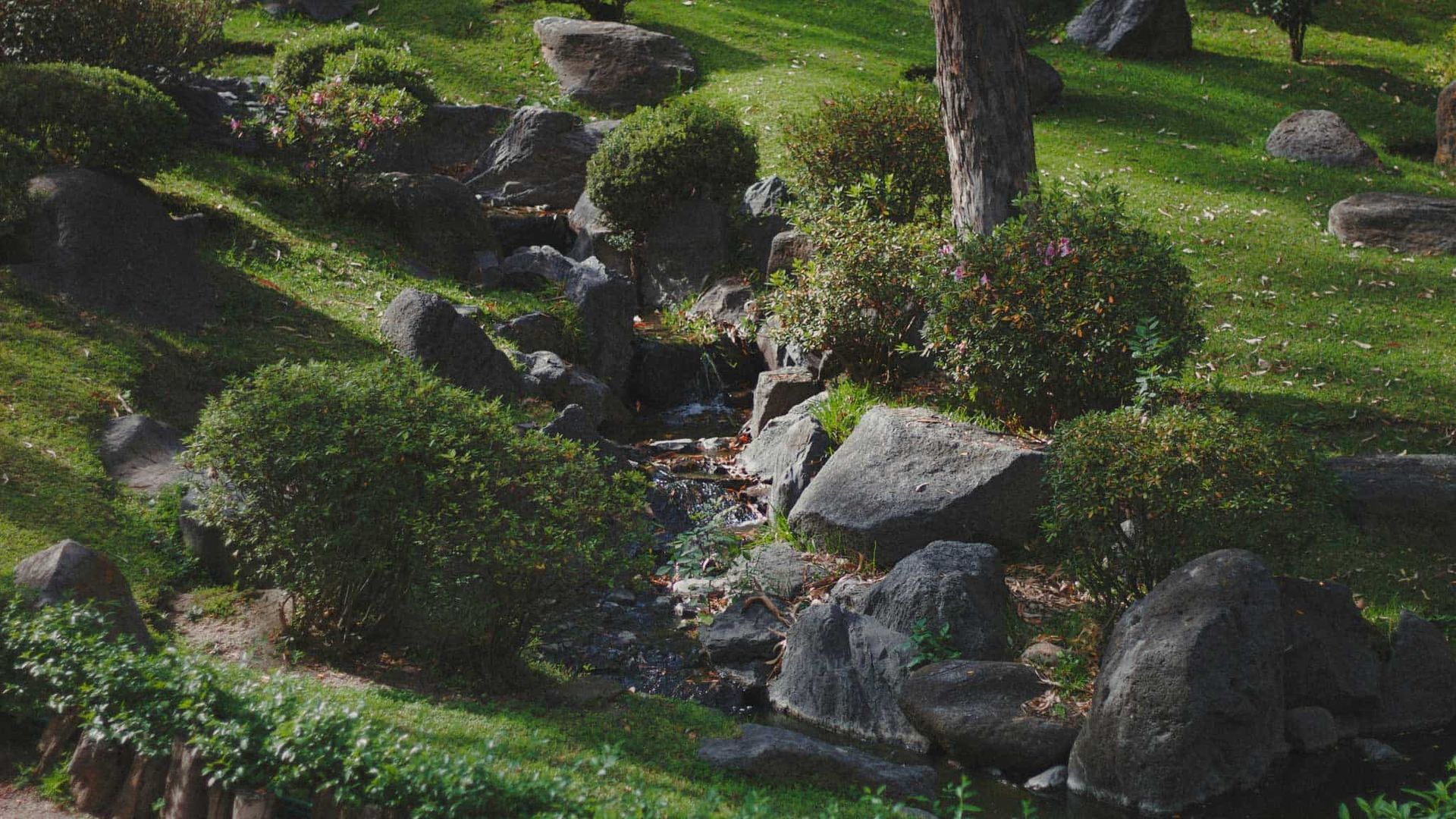
Port Angeles, located in the heart of the Pacific Northwest, boasts a stunning natural environment with its proximity to the Olympic Mountains and the Puget Sound. However, the region’s unique climate, terrain, and wildlife also pose specific challenges for homeowners and landscapers. From dealing with abundant rainfall to managing steep slopes, successful landscaping in Port Angeles requires thoughtful planning and innovative solutions. In this comprehensive guide, we’ll explore some of the most common landscaping challenges faced by Port Angeles residents and provide practical strategies to overcome them. 1. Excessive Rainfall and Drainage Issues The Pacific Northwest is known for its heavy rainfall, and Port Angeles is no exception. While the rain supports lush greenery, it can also lead to water pooling, soil erosion, and flooding in yards. Solutions: Install French Drains : These underground drainage systems consist of perforated pipes buried in gravel trenches. They redirect water away from areas prone to pooling. For best results, ensure proper grading during installation, and use landscape fabric to prevent soil from clogging the system. Create Rain Gardens : A rain garden is a shallow depression planted with water-tolerant plants like sedges, irises, and ferns. It collects and absorbs runoff from roofs, driveways, and lawns, filtering pollutants in the process. To enhance its functionality, choose native plants that thrive in wet conditions and design the garden to integrate seamlessly into your landscape. Use Permeable Pavers : Replace impermeable surfaces like concrete with permeable pavers that allow water to seep into the ground. These pavers come in a variety of styles and colors, making them a visually appealing solution. Add a layer of gravel beneath the pavers for optimal drainage. Grading and Sloping : Proper grading directs water away from structures and toward designated drainage areas. Combine grading with swales—shallow, grass-covered ditches—to channel runoff safely. Include erosion-control measures, such as planting grass or using erosion-control mats. 2. Dealing with Deer and Other Wildlife Deer are a common sight in Port Angeles, but they can wreak havoc on gardens by eating flowers, shrubs, and vegetables. Additionally, smaller wildlife like raccoons and rabbits can also cause damage. Solutions: Deer-Resistant Plants : Incorporate plants like lavender, rosemary, and ornamental grasses, which deer tend to avoid due to their strong scents or textures. Surround your most vulnerable plants with these deterrents, creating a natural barrier. Fencing : A sturdy, tall fence (at least 8 feet) with a slanted top is one of the most effective ways to keep deer out. Consider using mesh or wire fencing to minimize visual obstruction. For a more decorative approach, choose wood or wrought iron fencing and incorporate climbing plants. Repellents : Commercial deer repellents are available in spray and granular forms. Apply them generously around your garden’s perimeter, reapplying after rainfall. Homemade options, such as garlic or chili pepper sprays, can also deter deer and other wildlife. Wildlife-Friendly Zones : Designate a section of your property as a wildlife-friendly area. Include berry bushes, native plants, and water features to attract wildlife away from your main garden. This approach benefits the ecosystem while protecting your cultivated plants. 3. Steep Slopes and Erosion The hilly terrain around Port Angeles presents unique challenges for landscaping, especially on steep slopes prone to erosion. Solutions: Terracing : Create terraces on slopes by constructing retaining walls or using natural materials like logs and rocks. Terracing not only prevents soil erosion but also provides flat areas for planting. Add steps or pathways for accessibility and aesthetic appeal. Retaining Walls : Retaining walls made of stone, concrete, or timber stabilize slopes while offering a clean, structured look. For added functionality, incorporate built-in seating or planters into the wall design. Ground Cover Plants : Deep-rooted ground covers like creeping juniper and pachysandra anchor soil and reduce erosion. For steep slopes, mix different plant species to create a lush, layered effect that enhances stability and visual interest. Erosion Control Mats : Biodegradable mats made from coir or jute protect soil from being washed away while vegetation takes root. These mats are ideal for areas where immediate erosion control is needed. 4. Shady Areas and Limited Sunlight Many properties in Port Angeles are shaded by large trees or buildings, making it challenging to grow sun-loving plants. Solutions: Shade-Tolerant Plants : Choose plants that thrive in low light, such as hostas, ferns, and bleeding hearts. For ground cover, consider mosses and shade-tolerant grasses. Arrange these plants in clusters to create visual interest. Pruning Trees : Pruning allows more sunlight to reach shaded areas. Remove dead or overhanging branches strategically, ensuring the tree’s health and structure are not compromised. Consider hiring an arborist for large-scale pruning. Layered Planting : Combine plants of varying heights to create depth in shaded areas. Use taller shrubs as a backdrop and fill the foreground with flowering perennials and ground covers. Artificial Lighting : Landscape lighting can illuminate shaded areas at night, highlighting features like pathways, sculptures, or water features. Solar-powered lights are eco-friendly and easy to install. 5. Poor Soil Quality Port Angeles’ soil can vary significantly, from sandy soil near the coast to clay-heavy soil in certain areas. Poor soil can hinder plant growth and drainage. Solutions: Soil Testing : Use a soil test kit to determine pH levels, nutrient deficiencies, and soil composition. Amend the soil accordingly with lime to raise pH, sulfur to lower it, or fertilizers for nutrient balance. Amend the Soil : Organic matter like compost improves soil structure and adds nutrients. Incorporate sand into clay-heavy soil for better drainage, or add peat moss to sandy soil to enhance water retention. Raised Beds : Raised beds provide a controlled environment with optimal soil conditions. Use untreated wood, stone, or metal for construction, and fill the beds with a mix of compost and high-quality topsoil. Mulching : A thick layer of mulch regulates soil temperature, retains moisture, and suppresses weeds. Choose organic mulches like wood chips or straw for added soil enrichment. 6. Drought Conditions Although Port Angeles receives ample rain, summer months can still bring dry spells that stress plants and lawns. Solutions: Drought-Tolerant Landscaping : Opt for native plants like Pacific madrone and drought-resistant species such as succulents and ornamental grasses. Group plants with similar water needs together to simplify irrigation. Irrigation Systems : Install drip irrigation systems that deliver water directly to the roots. These systems reduce water waste and ensure consistent hydration for plants. Rain Barrels : Collect rainwater from downspouts and store it in barrels for use during dry months. Connect the barrel to a soaker hose for easy distribution. Mulching : Apply mulch around plants to reduce evaporation and keep soil moist. Organic mulches also improve soil health over time. 7. Invasive Species Invasive plants, such as Himalayan blackberry or Scotch broom, can overtake gardens and outcompete native species. Solutions: Regular Maintenance : Conduct monthly inspections to identify and remove invasive species. Use tools like weed wrenches for deep-rooted plants, ensuring the entire root system is removed. Mulching : Apply a thick layer of mulch to suppress weed growth and prevent invasive seeds from germinating. Organic mulches also promote healthier soil. Native Plantings : Replace invasives with native plants that support local ecosystems. Native species require less maintenance and are more resistant to pests and diseases. Professional Help : For large infestations, consider hiring a landscaping professional who can safely and effectively manage invasive species. 8. Blending Modern Landscaping with Natural Beauty One of the appeals of living in Port Angeles is the stunning natural environment. Balancing modern landscaping features with the area’s natural aesthetics can be challenging. Solutions: Natural Materials : Incorporate materials like local stone, driftwood, and untreated timber into your landscaping. These elements harmonize with the natural surroundings and are environmentally friendly. Native Plants : Use plants native to the Olympic Peninsula to create a cohesive look. Native plants thrive in the local climate, requiring less water and maintenance. Curved Lines : Design pathways and garden beds with curved lines to mimic the organic shapes found in nature. Add naturalistic touches like boulders and wildflower meadows. Low-Impact Lighting : Use solar-powered or LED lights to illuminate your garden subtly. Highlight natural features like trees or rock formations without overpowering the landscape. 9. Wind Exposure Properties near the coast or on higher elevations in Port Angeles can experience strong winds that damage plants and structures. Solutions: Windbreaks : Plant hardy trees like Douglas fir or install fences to shield your garden from wind. Stagger the planting to create a natural, layered barrier. Sturdy Plants : Choose plants with flexible stems and strong root systems, such as switchgrass or black-eyed Susan, that can withstand wind stress. Secure Structures : Anchor garden structures like pergolas, trellises, and fences with concrete footings or heavy-duty stakes. Regularly inspect and maintain these structures. 10. Maximizing Small Spaces Many homes in Port Angeles have compact yards, making it a challenge to create functional and attractive outdoor spaces. Solutions: Vertical Gardening : Use trellises, wall planters, and hanging baskets to make use of vertical space. Grow climbing plants like clematis or morning glory to add height. Multi-Functional Features : Combine seating, storage, and planting areas to save space. For example, build a retaining wall with integrated seating or use planters with hidden storage compartments. Layering : Create depth in your design by layering plants of different heights. Use taller shrubs or small trees at the back, medium-sized perennials in the middle, and ground covers in the front. Reflective Elements : Mirrors, water features, or light-colored surfaces can make small spaces feel larger. Position these elements to reflect greenery and natural light. Port Angeles presents unique landscaping challenges, but with creativity and informed planning, you can transform your outdoor space into a stunning and functional area. By addressing issues like drainage, wildlife interference, and soil quality, you’ll create a landscape that thrives in harmony with the natural beauty of the Pacific Northwest. Whether you’re a DIY enthusiast or working with professionals, these strategies ensure your yard remains a source of pride and enjoyment for years to come.
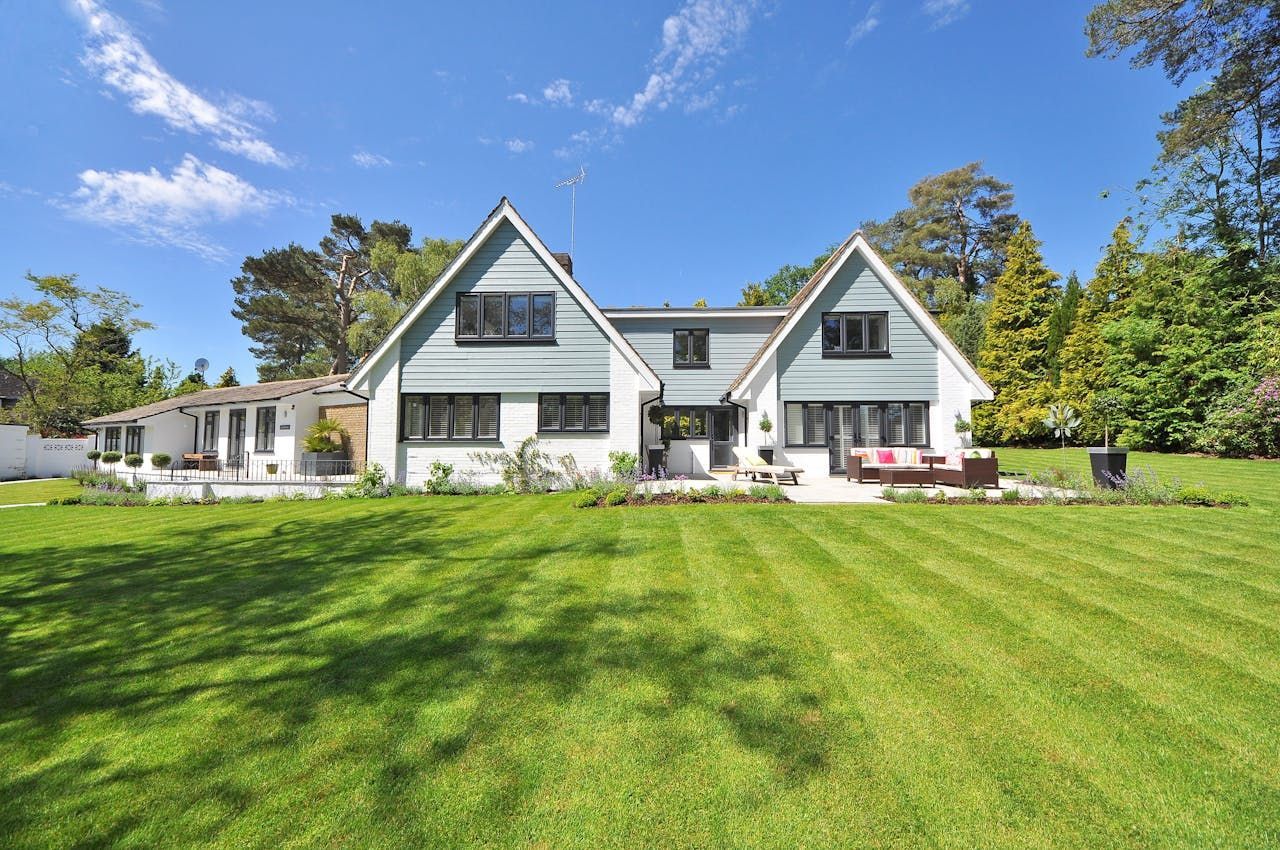
As 2025 approaches, the landscaping world is evolving to meet the changing needs of homeowners who want to make the most of their outdoor spaces. From sustainable design to advanced technology, the trends for 2025 reflect a blend of functionality, aesthetics, and environmental consciousness. If you live in the Sequim, Port Angeles, or Port Townsend areas, you know how important it is to create outdoor spaces that thrive in the unique climate of the Pacific Northwest. Lush green backdrops, mild temperatures, and consistent rainfall provide the perfect environment for thoughtful, creative landscaping solutions. Whether you're building a cozy backyard retreat or upgrading your front yard’s curb appeal, this guide explores the top landscaping trends for 2025 to inspire your next project. 1. Sustainable Landscaping: Eco-Friendly and Beautiful Sustainable landscaping remains one of the strongest trends in 2025, and for good reason. Homeowners are becoming increasingly eco-conscious, looking for ways to create beautiful outdoor spaces while minimizing their environmental impact. This trend is especially important in Sequim and Port Angeles, where protecting local ecosystems and conserving water are top priorities. Key Elements of Sustainable Landscaping: Native and Drought-Tolerant Plants: Homeowners are turning to plants that thrive naturally in the Pacific Northwest. Plants like salal, Oregon grape, sword ferns, and evergreen huckleberries are not only stunning but also require minimal water and maintenance. These hardy plants also attract local pollinators, promoting biodiversity. Rain Gardens and Bioswales: With consistent rainfall in our region, managing excess water is essential. Rain gardens and bioswales filter runoff, reduce erosion, and create attractive focal points for your yard. Permeable Hardscapes: Instead of traditional concrete or asphalt, permeable pavers allow water to soak into the ground, improving drainage and reducing runoff. Gravel walkways, permeable patios, and paver driveways are all excellent options. Mulching and Composting: Incorporating organic mulch into garden beds improves soil health, retains moisture, and reduces weeds—all while recycling natural materials. Why It Matters: Sustainable landscaping not only reduces water consumption and maintenance costs but also creates healthier, more resilient outdoor spaces. For homeowners in Sequim and Port Angeles, where natural beauty is abundant, sustainable designs help preserve the local landscape for future generations. 2. Outdoor Living Spaces: Bringing the Indoors Outside The desire for outdoor living spaces continues to grow, transforming backyards into functional extensions of the home. With more people spending time at home, outdoor areas are no longer just for occasional use—they’re becoming essential spaces for relaxation, entertaining, and even cooking. Trending Features for Outdoor Living Spaces in 2025: Paver Patios: Paver patios remain a cornerstone of outdoor living, offering versatility, durability, and aesthetic appeal. Whether you prefer a modern design or a more rustic look, pavers can be customized to suit your style. Outdoor Kitchens: More homeowners are investing in outdoor kitchens complete with built-in grills, prep areas, sinks, and even refrigeration. Imagine hosting summer gatherings without running back and forth indoors! Fire Pits and Fireplaces: Fire features extend the usability of your outdoor space well into the cooler seasons. A custom fire pit or outdoor fireplace creates a cozy gathering place for friends and family. Covered Pergolas and Patios: Adding shade structures like pergolas, gazebos, or covered patios allows you to enjoy your space rain or shine—something especially important in our climate. Why It’s Important: Outdoor living spaces enhance your home’s functionality, increase property value, and encourage more time spent outdoors. With proper design, these spaces can withstand the Pacific Northwest’s rainy season while providing comfort year-round. 3. Low-Maintenance Landscaping: Beauty Without the Hassle Busy homeowners want landscapes that are beautiful, functional, and easy to maintain. In 2025, the demand for low-maintenance landscaping is higher than ever, especially in areas like Sequim and Port Angeles, where consistent rainfall can require extra upkeep. Popular Low-Maintenance Solutions: Gravel and Rock Gardens: Gravel installations and rock gardens offer a clean, modern look that requires minimal care. They’re ideal for areas where grass struggles to grow or where you want to reduce water usage. Artificial Turf: For homeowners who want the look of a green lawn without the constant mowing, artificial turf provides a durable, maintenance-free solution. Hardscaping Features: Retaining walls, flagstone pathways, and paver patios reduce the amount of lawn and softscape you need to manage while adding style and functionality. Native Plants: Once established, native plants require very little care compared to traditional ornamental plants. Their ability to thrive in local conditions makes them a smart choice for low-maintenance gardens. Why It’s Important: Low-maintenance landscaping saves time, money, and effort while ensuring your yard stays beautiful year-round. It’s the perfect solution for homeowners who want stunning outdoor spaces without a full-time commitment to yard work. 4. Functional Drainage Solutions: Managing Rainwater the Right Way Proper drainage is critical for any landscaping project, but it’s especially important in the Pacific Northwest. With frequent rainfall, poorly managed water can cause erosion, pooling, and even foundation damage. In 2025, functional drainage solutions are becoming a standard feature in landscaping design. Effective Drainage Solutions Include: French Drains: These subsurface systems redirect water away from problem areas, protecting your home and yard from flooding. Dry Creek Beds: Designed to mimic natural streams, dry creek beds improve drainage while adding visual interest to your yard. They’re a practical and attractive solution for excess runoff. Proper Grading: Ensuring your yard has the correct slope prevents water from pooling around your home’s foundation. Grading is an essential first step for any landscaping or hardscaping project. Integrated Hardscapes: Features like retaining walls and paver patios can be designed to include built-in drainage systems, ensuring long-term functionality and durability. Why Drainage Matters: Without proper drainage, even the most stunning landscaping projects can quickly deteriorate. Protecting your yard from erosion, flooding, and water damage ensures it remains healthy and functional for years to come. 5. Flagstone and Natural Stone Features: Timeless Beauty Flagstone and other natural stones are making a big comeback in 2025, offering timeless beauty and durability. These materials are perfect for creating patios, walkways, and decorative accents that blend seamlessly with the Pacific Northwest’s natural landscape. Ideas for Incorporating Flagstone: Flagstone Walkways: A flagstone path adds charm and character while guiding visitors through your garden or yard. Flagstone Patios: Natural stone patios provide an elegant yet durable space for outdoor furniture, dining areas, or fire pits. Stone Retaining Walls: Retaining walls built with natural stone combine function and beauty, managing elevation changes while enhancing your landscape’s aesthetic. Garden Accents: Large stones or boulders can serve as focal points, seating, or natural dividers in your yard. Why Flagstone Stands Out: Natural stone is durable, slip-resistant, and able to withstand the Pacific Northwest’s wet conditions. It’s a long-lasting choice that elevates the overall look and feel of your outdoor space. Conclusion: Transform Your Yard with 2025’s Top Landscaping Trends The landscaping trends for 2025 offer homeowners in Sequim, Port Angeles, and surrounding areas exciting opportunities to transform their outdoor spaces. From sustainable design and outdoor living areas to low-maintenance solutions and natural stone features, these trends reflect a growing desire for functional, eco-friendly, and beautiful landscapes. By staying ahead of the curve and embracing these ideas, you can create a yard that not only enhances your home’s curb appeal but also thrives in the Pacific Northwest’s unique climate. Whether you’re ready to add a paver patio, upgrade your drainage, or explore sustainable design, these trends provide endless inspiration. If you’re ready to bring your landscaping vision to life, start exploring our services, from General Landscaping to Flagstone Installation and Drainage Solutions . Let’s make 2025 the year your outdoor space shines.
A paver patio serves as the foundation for a beautiful and functional outdoor living space. However, the surrounding landscaping plays a crucial role in enhancing its appeal and blending it seamlessly into your yard. Thoughtful landscaping can transform your patio into a lush, inviting retreat that harmonizes with the natural environment. In this guide, we’ll explore creative ways to incorporate landscaping around your paver patio to elevate its aesthetics and usability. 1. Bordering Your Patio with Greenery Adding plants and greenery around the edges of your paver patio softens its lines and creates a natural transition into the surrounding yard. Ideas: Flower Beds : Plant vibrant flowers like petunias, marigolds, or daisies to add a pop of color. Arrange them in patterns or clusters for a visually striking display. Use perennials such as black-eyed Susans, coneflowers, and daylilies to ensure blooms year after year, reducing maintenance needs. Interplant annuals for dynamic seasonal changes. Shrubs and Bushes : Small to medium shrubs like boxwood or hydrangeas provide a structured, manicured look. Prune them into geometric shapes or let them grow naturally for a softer aesthetic. Opt for flowering shrubs like azaleas or camellias to add seasonal interest and fragrance. Select varieties suited to your local climate for optimal growth. Grasses : Ornamental grasses like fountain grass or blue fescue add texture and movement to the space. Use taller grasses as a backdrop and smaller ones to define edges. Combine grasses with low-growing ground covers for a layered effect that enhances visual depth. 2. Creating Layers with Vertical Elements Incorporating vertical landscaping elements adds depth and dimension to the space, drawing the eye upward and making the area feel larger. Ideas: Trellises and Arbors : Install a trellis near the patio and grow climbing plants like clematis, morning glories, or wisteria. These plants not only provide shade but also add color and fragrance. An arbor can serve as a stunning entryway to your patio, framing the space and making it feel like a private retreat. Add string lights or hanging lanterns for evening ambiance. Trees : Small ornamental trees like Japanese maple, dogwood, or redbud provide shade, beauty, and seasonal interest. Place them strategically to frame views or enhance privacy. For larger yards, consider planting taller trees like birch or oak at a distance to create a natural canopy without overshadowing the patio. Hanging Baskets : Hang baskets filled with cascading flowers or ivy from pergolas, poles, or nearby walls. Change the plant selections seasonally to keep the look fresh and dynamic. Use lightweight materials and ensure proper drainage to keep hanging baskets healthy and vibrant. 3. Incorporating Hardscaping Features Hardscaping elements complement your paver patio while adding functionality, structure, and visual interest to the surrounding landscape. Ideas: Retaining Walls : Use retaining walls to define the patio area and incorporate seating or planters. Choose materials like stone, brick, or concrete that match your patio’s aesthetic. Add built-in lighting or decorative accents to enhance the walls’ functionality and appeal. Rock Gardens : Surround the patio with a low-maintenance rock garden featuring succulents, alpine plants, or drought-tolerant flowers. Use various sizes and colors of rocks to create texture and contrast. Include driftwood or large boulders as focal points to give the garden a natural, sculptural feel. Water Features : Add a small fountain, pond, or waterfall near the patio to create a soothing ambiance. Choose features that fit the scale of your yard and complement the patio design. Incorporate aquatic plants like water lilies or lotus to enhance the natural look and support local wildlife. 4. Enhancing Edges with Mulch or Gravel Mulch or gravel can be used around the patio to define its edges, reduce maintenance, and complement its design. Ideas: Mulch Beds : Use wood chips, bark mulch, or shredded leaves to create a clean and polished look. Mulch also helps retain soil moisture and reduce weeds. Choose mulch colors that complement your paver hues for a cohesive appearance. Dark mulch contrasts well with lighter pavers, while natural-colored mulch blends with earthy tones. Gravel Pathways : Create gravel paths that connect the patio to other areas of the yard, such as a garden, fire pit, or seating area. Use edging to keep the gravel contained and maintain clean lines. Select contrasting gravel colors or textures to add visual interest and ensure the pathways stand out. 5. Adding Lighting for Ambiance Lighting enhances the patio’s usability during evenings and highlights the surrounding landscaping, making the space feel welcoming and safe. Ideas: Path Lights : Line pathways or patio borders with solar-powered or LED lights for subtle illumination. Use warm-toned lights to create a cozy atmosphere. Position lights near flower beds or water features to draw attention to these elements at night. String Lights : Hang string lights from pergolas, nearby trees, or poles to create a magical, festive ambiance. Choose weather-resistant options for durability. Combine string lights with lanterns or candles for layered lighting that enhances the mood. Spotlights : Use spotlights to highlight trees, shrubs, or decorative features like sculptures or fountains. Adjust the angles to create dramatic shadows and depth. Opt for color-changing spotlights to add a playful, dynamic element to your landscape. 6. Using Native Plants for Sustainability Native plants thrive in the local climate, require less maintenance, and support local wildlife, making them an eco-friendly choice for landscaping. Ideas: Drought-Tolerant Plants : Incorporate plants like lavender, yarrow, or salal that thrive in the Pacific Northwest. These plants are resilient and reduce water usage during dry seasons. Pair drought-tolerant plants with mulch or gravel to further conserve moisture and reduce maintenance. Pollinator Gardens : Attract bees, butterflies, and other pollinators with plants like echinacea, lupine, or goldenrod. Position these plants near seating areas for an immersive nature experience. Include native wildflowers for a meadow-like effect that enhances biodiversity. Ground Covers : Use native ground covers like kinnikinnick, creeping thyme, or sedum to fill gaps and prevent erosion. These plants require minimal upkeep and provide year-round greenery. 7. Designing for Privacy Landscaping can create a sense of seclusion, turning your paver patio into a private retreat for relaxation and entertainment. Ideas: Hedges : Tall hedges like arborvitae, laurel, or holly act as natural screens. Plant them in a staggered pattern for dense coverage. Trim hedges into clean lines for a formal look or allow them to grow naturally for a more organic feel. Lattice Panels : Install lattice panels with climbing vines like jasmine, honeysuckle, or ivy for privacy and greenery. Customize the panel design to match your patio’s aesthetic. Bamboo : Fast-growing bamboo adds privacy and an exotic touch. Choose clumping varieties to avoid invasive growth. Combine bamboo with stone or wood accents for a harmonious blend of textures. 8. Seasonal Enhancements Plan your landscaping to offer visual interest and functionality throughout the year, ensuring your patio remains inviting in every season. Ideas: Spring Bulbs : Plant tulips, daffodils, or hyacinths for early-season color. Arrange them in clusters for a vibrant display that welcomes the season. Summer Annuals : Add begonias, impatiens, or zinnias for vibrant summer displays. Include fragrant plants like lavender or basil to enhance the sensory experience. Fall Foliage : Include trees or shrubs like maple, sumac, or burning bush for autumnal hues. Use pumpkins, gourds, or hay bales as seasonal accents. Winter Interest : Incorporate evergreens, holly, or decorative grasses to maintain visual appeal in colder months. Add outdoor lights or winter-themed decor for festive charm. 9. Integrating Functional Spaces Landscaping can enhance the usability of your paver patio by creating functional zones tailored to your lifestyle and activities. Ideas: Outdoor Dining : Surround a dining area with fragrant plants like rosemary, lavender, or thyme. These herbs double as functional and decorative elements. Use potted plants or small shrubs to define the dining space and provide a sense of intimacy. Fire Pit Area : Use stones or gravel to define a cozy fire pit zone adjacent to the patio. Surround the area with low-maintenance seating options like stone benches or Adirondack chairs. Play Areas : Include grassy patches, sandbox zones, or low-maintenance play structures nearby for children. Use edging or fencing to separate play areas from the main patio space. By thoughtfully incorporating landscaping around your paver patio, you can create a harmonious and visually stunning outdoor space. Whether you prefer lush greenery, modern hardscaping, or a blend of both, these ideas will help you design a patio that’s not only beautiful but also functional and inviting. With careful planning and creativity, your patio can become the centerpiece of your outdoor oasis.